
Getting Ready to List Your Home - Some things to consider
Tips for getting your home ready to sell
Listing your home while preparing for a move can feel overwhelming. Once your property hits the market, showings can begin quickly—so the earlier you start preparing, the smoother the process will be. Begin as soon as you decide to move, even before selecting your listing agent.
1. Donate, Sell, Discard.
Start by going through your home and identifying items you no longer use or need. Think about your next home and its size, as well as your new lifestyle. For example, if you’re relocating to a warmer climate, you may not need multiple winter coats. Sort belongings into three simple categories: donate, sell, or discard. Continue adding to these piles as you prepare for your move, and follow through by donating, selling, or disposing of them before moving day.
2. Packaging Boxes and Materials.
Next, gather packing boxes and supplies. Begin packing items you won’t need before the move—seasonal décor, rarely used kitchenware, extra linens, and similar belongings. A helpful rule of thumb: if you haven’t used it in the past year, consider whether you truly need to keep it.
3. Organizing and staging your home.
- Does your home feel cluttered? When it comes to staging, less is more. Decluttering and minimizing furniture can dramatically improve how spacious a room appears. Removing excess pieces allows buyers to better see the true size and layout of each space—too much furniture can make rooms feel smaller than they are.
- Remove personal items such as family photos. There are two important reasons for this. First, photos of your home will be online, so it’s wise to consider your privacy and what personal details are visible. Second, buyers want to picture themselves living in the home. Personal items can make them feel like they are stepping into someone else’s space rather than envisioning it as their own.
- Make sure each room is presented according to how it is being marketed. For example, if a room is listed as a bedroom or office, stage it clearly as one—avoid adding unrelated furniture like extra chairs that can confuse the purpose of the space.
- As you begin packing, store completed boxes neatly in the garage or a storage area rather than stacking them in bedrooms or main living areas. This keeps the home feeling open and organized.
- Pay special attention to bathrooms. Hang fresh, clean towels and aim for a simple, spa-like feel—buyers should feel like they’ve stepped into a hotel bathroom. Store everyday toiletries in cabinets instead of leaving them out on counters or in the shower to create a clean, polished look.
4. Home Repairs and Maintenance
If you’re aware of items in your home that aren’t working properly or need repair, take care of them now. Many of these issues will surface during the home inspection anyway. Addressing them in advance can prevent surprises, reduce stress during negotiations, and help your home show in its best condition. Often, small repairs are quick and relatively inexpensive, but they can make a big difference in a buyer’s impression.
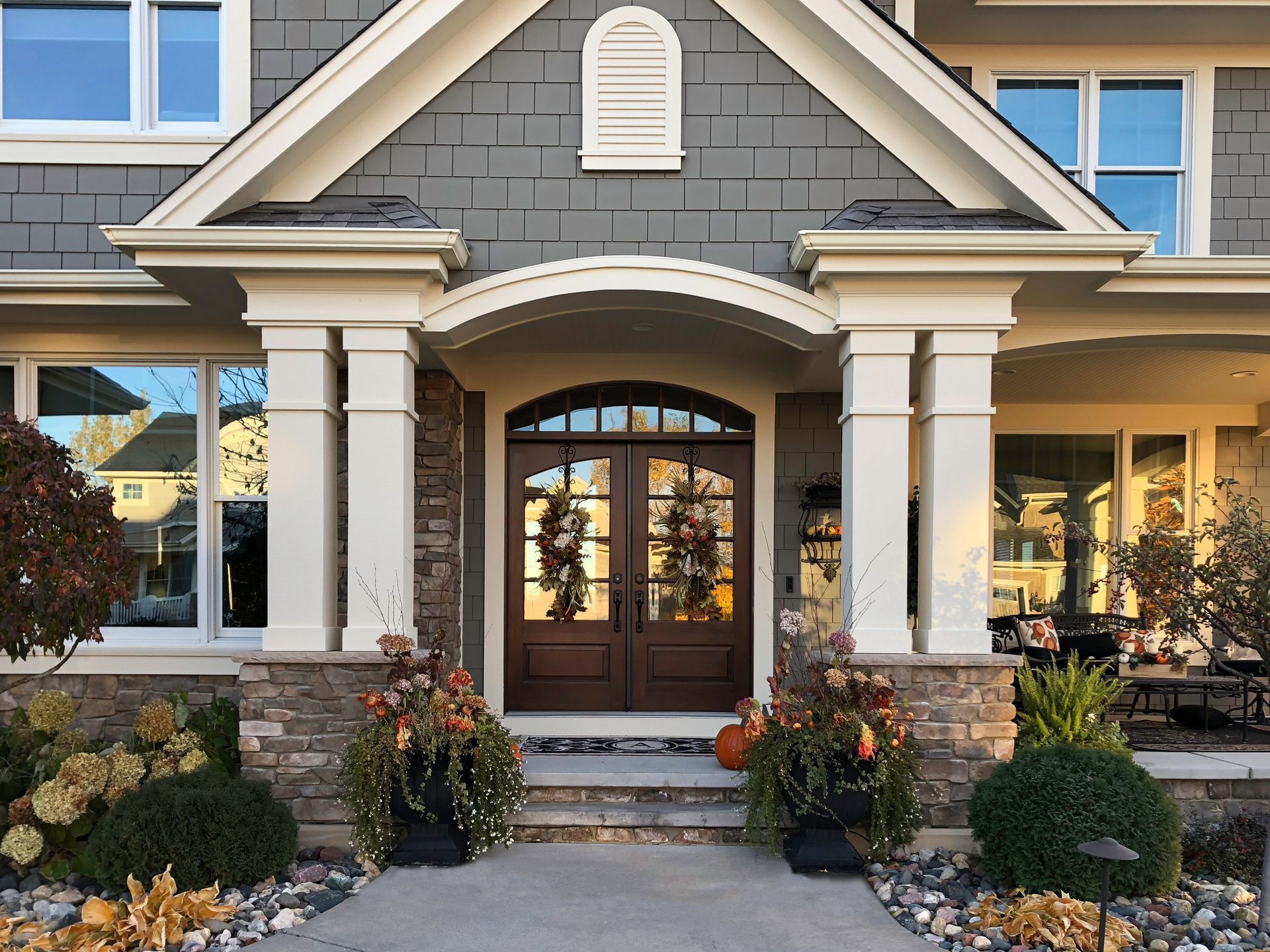
If you have moved out of your home and it is still on the market, make sure you have scheduled maintenance happening. Lawn upkeep, cleaning to ensure there is no dust accumulating, smoke alarms are checked for batteries regularly etc. First impressions are important. If a buyer drives by and sees a home that is not being maintained they may not even enter the home.
If you have a home with walls that have vibrant colors, consider painting them a neutral color. This is especially important as potential buyers look at the photos of your home online before they visit. You don’t want them to remove your home from their list because the wall color in a room is not one they like.
Taking these steps early not only reduces stress but also helps your home present better to potential buyers, making the entire process more organized and manageable.